In the competitive world of content writing, your resume alone often isn’t enough to land your dream job. Employers want to see tangible proof of your abilities, your writing style, and your understanding of various content formats. This is where a strong portfolio of content writing samples becomes absolutely essential.
Whether you’re a seasoned writer looking to pivot or a newcomer eager to break into the industry, knowing how to create content writing samples for job applications effectively can make all the difference. Your samples are your opportunity to showcase not just what you’ve written, but how you think, research, and tailor your voice to specific audiences and objectives.
This comprehensive guide will walk you through every step of building an impressive portfolio, from identifying your niche to optimizing your samples for different industries and presenting them professionally. Get ready to transform your writing potential into a compelling display that opens doors to new career opportunities in 2026 and beyond.
Understanding the Importance of Content Samples
Why Samples Matter More Than Resumes
While a resume outlines your experience and qualifications, content writing samples provide a direct window into your actual capabilities. Employers can read your work, evaluate your grammar, style, research skills, and ability to meet specific content goals. It’s one thing to say you’re a good writer; it’s another to demonstrate it with compelling pieces.
In many cases, hiring managers will review your samples before even delving deeply into your resume. They serve as a critical initial filter, quickly showing if your writing aligns with their brand’s voice and content needs. Think of your samples as your audition for the role.
Showcasing Your Core Competencies
Effective content writing requires a diverse set of skills beyond just putting words on a page. Your samples can highlight your proficiency in areas such as SEO optimization, audience engagement, storytelling, technical accuracy, and persuasive copywriting. Each sample should subtly or explicitly demonstrate one or more of these core competencies.
For instance, a well-structured blog post can show your SEO knowledge, while a compelling landing page copy can demonstrate your ability to drive conversions. By strategically selecting and crafting your samples, you can paint a complete picture of your versatility as a content writer.
Building Trust and Credibility
A professional portfolio filled with high-quality samples instantly builds trust and credibility with potential employers. It shows that you are serious about your craft, capable of delivering polished work, and have a proven track record (even if self-initiated). This trust is invaluable, especially when applying for remote or freelance positions where direct interaction might be limited.
Credibility also comes from the quality and relevance of your work. If your samples are well-researched, error-free, and demonstrate an understanding of industry best practices, employers will be more confident in your ability to contribute meaningfully to their team.
Read Also: How to Build a Content Writing Portfolio from Scratch
Identifying Your Niche and Target Roles
Defining Your Content Writing Specialization
Before you start creating samples, it’s crucial to define what kind of content writer you want to be. Do you specialize in long-form articles, technical documentation, social media copy, or perhaps email marketing? Identifying your niche helps you focus your efforts and create samples that are highly relevant to the jobs you desire.
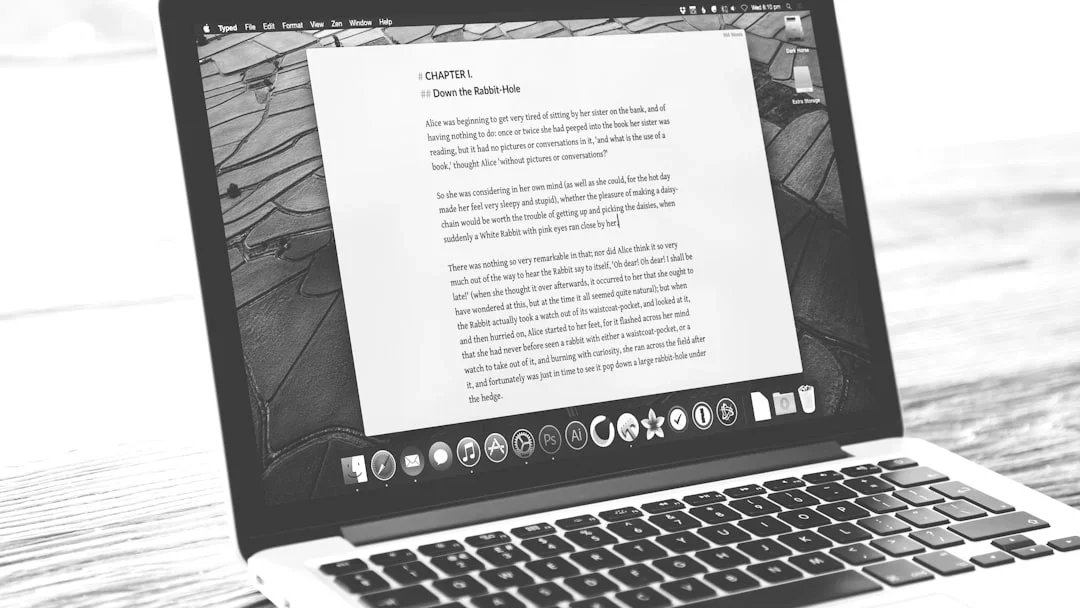
Consider your interests, past experiences, and any specific industries you’re passionate about. Specializing can make you a more attractive candidate for roles requiring expertise in a particular domain, allowing you to create content writing samples for job applications that truly hit the mark.
Researching Desired Job Descriptions
Once you have a general idea of your niche, thoroughly research job descriptions for the roles you’re targeting. Pay close attention to the required skills, preferred content types, industry focus, and any specific tools or platforms mentioned. This research will directly inform the types of samples you need to create.
For example, if a job description heavily emphasizes “SEO-friendly blog posts” and “website copy,” ensure your portfolio prominently features these formats. This targeted approach demonstrates your understanding of the employer’s needs and your readiness to fulfill them.
Aligning Samples with Industry Needs
Different industries have unique communication styles, jargon, and content requirements. A sample written for a tech startup might not resonate with a healthcare provider. Therefore, align your samples with the industry you wish to enter.
If you’re targeting the finance sector, your samples should reflect an understanding of financial concepts and regulatory compliance. This shows employers that you can adapt your writing to their specific industry context, making your application much more compelling.
Read Also: How to Become a Content Writer with No Experience
Choosing the Right Types of Content Samples
Blog Posts and Articles
Blog posts and articles are among the most common types of content samples. They demonstrate your ability to research a topic, structure information logically, engage readers, and incorporate SEO best practices. Aim for a mix of evergreen content and timely topics if possible.
Include samples that show varying lengths and tones. A detailed, authoritative guide can showcase your research skills, while a shorter, more conversational piece can highlight your ability to connect with a casual audience. Always ensure they are well-researched and provide value.
Website Copy and Landing Pages
If you’re interested in roles involving web content, samples of website copy and landing pages are crucial. These demonstrate your ability to write concisely, persuasively, and with a clear call to action (CTA). Show how you can guide a user through a website journey.
For these samples, you might create a fictional product page, a service description, or a “About Us” section. Focus on clarity, conciseness, and the ability to convert visitors into customers or leads.
Email Newsletters and Marketing Copy
Email marketing is a vital skill for many content roles. Samples of email newsletters, promotional emails, or drip campaigns can showcase your ability to write subject lines that grab attention, craft engaging body copy, and drive specific actions like clicks or purchases.
Consider creating a short email sequence for a hypothetical product launch or a monthly newsletter for a niche interest. This demonstrates an understanding of email marketing funnels and audience segmentation.
Social Media Content and Ad Copy
For roles that involve social media management or digital advertising, include samples of short, impactful social media posts (e.g., for Twitter, LinkedIn, Instagram captions) or ad copy. These highlight your ability to communicate effectively within character limits and capture attention quickly.
Show your versatility by providing examples for different platforms, understanding their unique requirements and audience expectations. Focus on strong hooks and clear calls to action, even in a few words.
Case Studies and Whitepapers
If you’re aiming for B2B or more technical content writing roles, case studies and whitepapers are invaluable. These longer-form pieces demonstrate in-depth research, analytical skills, and the ability to present complex information clearly and persuasively. They often require interviewing skills and data interpretation.
Even if you don’t have professional experience, you can create a hypothetical case study based on a publicly available company or industry challenge, or a whitepaper exploring a current trend in your target industry.
Read Also: How to Find First Content Writing Clients Online
Crafting High-Quality Sample Content
Developing a Strong Outline
Every piece of high-quality content starts with a solid outline. Before you begin writing, map out the structure of your sample: introduction, main points, supporting details, and conclusion. This ensures logical flow and comprehensive coverage of your chosen topic.
For blog posts, consider using headings and subheadings to break up text and improve readability. For website copy, think about the user journey and where each piece of information fits. A strong outline saves time and results in a more coherent final product.
Writing Engaging and SEO-Friendly Content
Your content samples must not only be well-written but also engaging and, where appropriate, SEO-friendly. Use a compelling hook, maintain a consistent voice, and tell a story that resonates with the target audience. For SEO, naturally incorporate relevant keywords without keyword stuffing.
Demonstrate your understanding of on-page SEO by including a meta description, optimizing headings, and using internal and external links where relevant. This shows employers you’re aware of how content performs in the digital landscape.
Proofreading and Editing for Perfection
Submitting a sample with typos, grammatical errors, or awkward phrasing is a critical mistake. Always proofread and edit your work meticulously. Read it aloud, use grammar checkers, and ideally, have another pair of eyes review it.
Perfection in your samples reflects your attention to detail and professionalism, qualities highly valued by any employer. A flawless sample speaks volumes about your commitment to quality.
Incorporating Visuals and Formatting
Good content isn’t just about text; it’s also about presentation. Incorporate relevant visuals like images, infographics, or charts (even placeholders if you don’t have actual ones) to enhance readability and engagement. Proper formatting, including bullet points, numbered lists, and short paragraphs, makes your content easier to consume.
Showcase your ability to format content effectively for web readability. This demonstrates an understanding of user experience and how visual elements contribute to content effectiveness.
Read Also: SQL Interview Questions for Data Analyst: Tips & Answers
Optimizing Your Samples for Different Industries
Healthcare and Medical Writing
For healthcare and medical writing, accuracy, clarity, and adherence to regulatory guidelines are paramount. Your samples should demonstrate an ability to translate complex medical information into understandable language for specific audiences, whether patients or professionals. Use precise terminology and cite credible sources.

Consider writing a patient education article, a blog post explaining a medical condition, or even a summary of a research paper. Emphasize your commitment to factual correctness and ethical communication.
Tech and SaaS Content
Tech and SaaS content often requires a balance of technical understanding and engaging storytelling. Samples for this industry should showcase your ability to explain complex software features, product benefits, and industry trends in a way that resonates with both technical and non-technical audiences.
Examples might include product descriptions, feature announcements, “how-to” guides, or articles discussing emerging technologies. Demonstrate an understanding of the product lifecycle and user pain points.
E-commerce and Product Descriptions
E-commerce content focuses on driving sales and enhancing the customer experience. Your samples should highlight your ability to write persuasive product descriptions, engaging category pages, and benefit-driven marketing copy. Focus on the unique selling points and customer needs.
Create mock product descriptions for various items, showing how you can differentiate products and use compelling language to encourage purchases. Demonstrate an understanding of SEO for product listings.
Finance and Legal Content
Writing for finance and legal sectors demands meticulous accuracy, attention to detail, and a deep understanding of compliance. Samples should reflect your ability to handle sensitive information, explain complex regulations, and maintain a formal, authoritative tone. Avoid jargon where possible, or explain it clearly.
Consider writing an explainer piece on a financial concept, a blog post about a new legal ruling, or a summary of investment options. Show your capability to research thoroughly and present information responsibly.
Read Also: Top Python Data Analyst Interview Questions [apc_current_year]
Building and Presenting Your Portfolio
Creating an Online Portfolio Website
The most professional way to present your samples is through a dedicated online portfolio website. Platforms like WordPress, Squarespace, or even a simple Google Site can host your work. This allows you to control the presentation, add an “About Me” section, and provide context for each sample.
A well-designed portfolio site is easy to navigate, mobile-responsive, and reflects your personal brand. It’s an essential tool when you create content writing samples for job applications, offering a central hub for all your best work.
Using Platforms like Contently or Muck Rack
If building a website isn’t feasible, or as a supplementary option, consider using professional portfolio platforms like Contently, Muck Rack, or Clippings.me. These sites are designed specifically for writers to showcase their work, often including analytics and a professional profile.
These platforms offer a streamlined way to organize and display your samples, especially if you have published work. They can also help you get discovered by potential clients and employers.
Organizing Samples for Easy Navigation
Regardless of how you present your portfolio, ensure it’s organized logically. Categorize your samples by type (e.g., “Blog Posts,” “Website Copy”), industry, or skill demonstrated (e.g., “SEO Content,” “Copywriting”). Make it easy for a hiring manager to find what they’re looking for within seconds.
A clear, intuitive navigation structure is crucial. Imagine you are the hiring manager with limited time; how would you want to browse a writer’s work? Prioritize user experience in your portfolio design.
Adding Context and Explanations
For each sample, provide a brief context. Explain the project’s goal, your role, the target audience, and any specific challenges or achievements. If it was a hypothetical project, explain the premise.
This context helps employers understand your thought process and the strategic intent behind your writing. It transforms a simple piece of text into a demonstration of your strategic thinking and problem-solving skills.
Read Also: Entry Level Data Analyst Interview Questions and Answers [apc_current_year]
Tailoring Samples for Specific Job Applications
Analyzing the Job Description
Once you’ve identified a job you want to apply for, meticulously analyze its description. Highlight key responsibilities, required skills, preferred content types, and the company’s industry and target audience. This detailed analysis will guide your selection and potential customization of samples.
Look for keywords and phrases that indicate the employer’s specific needs. For instance, if they mention “long-form guides” and “e-commerce product descriptions,” ensure you have samples that directly address these requirements.
Selecting the Most Relevant Samples
Do not send your entire portfolio for every application. Instead, curate a selection of 3-5 samples that are most relevant to the specific job. If the role is for a B2B SaaS company, prioritize your tech-related whitepapers and product descriptions over a lifestyle blog post.
This targeted approach shows that you’ve taken the time to understand their needs and have thoughtfully chosen work that directly addresses them, making your application much more impactful.

Customizing Existing Samples (When Appropriate)
Sometimes, you might have a strong sample that’s *almost* perfect but needs a slight tweak to fit a new application. For instance, you might adapt a general blog post into one focused on the specific industry of the company you’re applying to.
Be careful not to misrepresent work you didn’t create. However, if you have a foundational piece, adapting it to better reflect the new role’s requirements can be a powerful way to demonstrate versatility and commitment. Always ensure any customization is clearly your original work.
Read Also: Tableau Interview Questions for Data Analyst Jobs
Common Mistakes to Avoid
Submitting Unedited or Poorly Written Work
The single biggest mistake a content writer can make is submitting work that contains errors or is poorly written. This immediately undermines your credibility and suggests a lack of attention to detail, which is a critical skill for any writer. Always proofread, edit, and get feedback.
Remember, your samples are a direct reflection of your best work. If your “best” work is riddled with mistakes, it sends a negative message about your overall capabilities.
Lacking Variety in Your Portfolio
While specialization is good, a portfolio that only contains one type of content (e.g., only blog posts) can make you seem one-dimensional. Aim for a reasonable variety of formats that showcase your versatility and adaptability. This is especially important when you create content writing samples for job applications that list diverse responsibilities.
Show that you can write for different audiences, purposes, and platforms. This broadens the range of roles you can successfully apply for and makes you a more valuable asset to potential employers.
Ignoring SEO Best Practices
In today’s digital landscape, most content writing roles require an understanding of SEO. If your samples don’t demonstrate this, you might be overlooked. Even if not explicitly asked, incorporating SEO principles into your samples shows you’re a forward-thinking writer.
Ensure your samples use relevant keywords naturally, have clear headings, and show an understanding of how content is optimized for search engines. This is a non-negotiable skill for most modern content writers.
Not Providing Context for Your Samples
Simply listing links to your work without any explanation is a missed opportunity. As mentioned earlier, context is crucial. Without it, employers might not understand the purpose of the piece, your role in its creation, or the results it achieved. This can make your samples less impactful.
Always provide a brief introduction to each sample, explaining its objective, target audience, and any specific challenges or successes. This helps employers connect your writing to strategic business goals.
Read Also: Technical & Behavioral Data Analyst Interview Questions
Leveraging Feedback and Continuous Improvement
Seeking Constructive Criticism
Don’t be afraid to ask for feedback on your samples. Share them with trusted peers, mentors, or even professional editors. Constructive criticism can highlight areas for improvement that you might have overlooked, helping you refine your writing and presentation.
Be open to suggestions and use them to enhance your portfolio. Fresh perspectives can offer invaluable insights into how your work is perceived by others, making your content writing samples for job applications stronger.
Updating Your Portfolio Regularly
The world of content writing is constantly evolving, and so should your portfolio. Regularly update your samples with your newest and best work. Remove outdated pieces, add new formats you’ve mastered, and ensure your portfolio reflects your current skills and career aspirations.
A dynamic portfolio shows that you are committed to continuous learning and staying current with industry trends. This demonstrates a proactive and growth-oriented mindset to potential employers.
Staying Current with Industry Trends
To keep your samples relevant and impressive, stay informed about the latest content marketing trends, SEO updates, and digital communication strategies. Read industry blogs, attend webinars, and participate in online communities. This knowledge will inform the topics you choose and the way you approach your writing.
By demonstrating an awareness of current trends in your samples, you show that you are not just a writer, but a strategic content professional ready to contribute to a forward-thinking team.
Read Also: Python AI Engineer Required Skills List | Complete Guide
Conclusion
Creating compelling content writing samples for job applications is more than just a task; it’s an art form that requires strategic thinking, meticulous execution, and a deep understanding of your target audience. Your portfolio is your most powerful tool in showcasing your abilities, building credibility, and ultimately, landing the content writing roles you desire.
By following the steps outlined in this guide—from defining your niche and choosing the right content types to crafting high-quality pieces and presenting them professionally—you’ll be well-equipped to create a portfolio that truly stands out. Remember to continuously refine your work, seek feedback, and stay current with industry trends to ensure your samples remain fresh and impactful.
Invest the time and effort into building an exceptional portfolio, and you’ll transform your potential into tangible proof of your content writing prowess, opening doors to exciting career opportunities in 2026 and beyond.
FAQ
Aim for 5-7 strong samples that showcase variety and relevance to your target roles. For specific job applications, curate 3-5 of the most relevant pieces.
You can create "spec" samples based on hypothetical scenarios, volunteer for non-profits, or start your own blog. The quality and relevance of the work matter more than whether it was paid or published.
Yes, absolutely. If you have high-quality, relevant unpublished work (e.g., personal blog posts, academic papers, or spec samples), include them. Just be sure to provide context.
Very important for most modern content roles. Demonstrate your understanding of SEO best practices by naturally incorporating keywords, optimizing headings, and structuring content for readability and search engines.
While AI tools can assist with brainstorming or outlining, your samples should primarily reflect your own writing, voice, and critical thinking. If you use AI, disclose it and ensure the final output is heavily edited and polished by you to maintain authenticity and quality.