You stare at your screen. Another error message. Your heart races. You left a stable, predictable career for this? The doubt creeps in fast. If you are asking yourself is software engineering too stressful for a career changer, you are far from alone. Thousands of people pivot into tech every year, and many struggle with the same fear: did I make a terrible mistake?
The truth is more nuanced than a simple yes or no. Software engineering comes with real pressures: tight deadlines, complex problem-solving, and a learning curve that never truly flattens. But for career changers, the stress is amplified by unique factors like age gaps, financial pressure, and the haunting voice of imposter syndrome. Understanding these stressors is the first step toward managing them.
In this article, we will explore the real stress landscape of software engineering, specifically through the eyes of someone transitioning from another field. We will look at what makes the shift uniquely challenging, how to cope, and whether the reward is worth the struggle. By the end, you will have a clearer picture of what to expect and how to protect your mental health along the way.
Understanding the Stress Landscape in Software Engineering

Before we dive into the career changer experience, it helps to understand what makes software engineering stressful for anyone. The industry has a reputation for high salaries and flexible work, but it also carries a hidden weight. Stressors range from technical challenges to interpersonal dynamics, and they do not discriminate between new grads and second-career developers.
Many bootcamp graduates and self-taught programmers enter the field expecting the stress to be temporary. They assume that once they land the first job, the anxiety will fade. In reality, the first two years in a development role often feel like drinking from a firehose. Recognizing this early can prevent the shock from turning into despair.
The Pace of Technological Change
Technology moves relentlessly. A framework you learn today might be considered legacy in three years. For seasoned engineers, this constant evolution is exhausting. For career changers who just spent months learning a specific stack, the idea of starting over can feel crushing. The pressure to stay current never disappears.
However, the key insight is that you do not need to learn everything. Senior developers specialize. They understand fundamental concepts that transfer across tools. As a career changer, your goal is to build a strong foundation in core programming principles rather than chasing every new JavaScript library. This mindset shift reduces a significant amount of stress.
Ambiguous Problems and Open-Ended Expectations
Unlike many traditional jobs, software engineering rarely offers clear, step-by-step instructions. You receive a ticket that says “implement user authentication” or “improve page load speed,” and the path forward is yours to discover. This ambiguity can be deeply unsettling for someone used to structured workflows and predictable outcomes.
Career changers often come from fields with defined processes: accounting, teaching, nursing. The shift to open-ended problem-solving requires a mental rewiring. The uncertainty is not a sign of failure; it is the nature of creative technical work. Embracing this early makes the transition smoother.
On-Call Rotations and Production Incidents
Depending on the company, you may be expected to participate in on-call rotations. A production outage at 2 a.m. means you are debugging under extreme pressure while stakeholders demand updates. This high-stakes environment is not something most career changers anticipate when they enroll in a coding bootcamp.
Not every software role includes on-call duty, but it is common enough to consider. The stress of being responsible for a live system can be intense. Asking about on-call expectations during interviews is a smart move for anyone entering the field later in life, especially if work-life balance is a priority.
Read Also: How to Become a Software Engineer at 30 With No Experience
The Unique Challenges Career Changers Face

Career changers do not experience software engineering stress in the same way as a 22-year-old computer science graduate. You likely have mortgages, families, or older parents depending on you. The stakes feel higher because they are higher. You cannot afford to fail, and that pressure colors every bug, every code review, and every interaction with a younger colleague.
Additionally, you may be starting at an entry-level salary after years of earning more in your previous field. The financial hit alone is a massive stressor. Combine that with the emotional toll of being a beginner again, and you have a uniquely challenging situation that deserves honest discussion.
Financial Pressure During the Transition
Leaving a stable income to pursue software engineering often means dipping into savings, taking out loans for a bootcamp, or living on a reduced salary for a while. The financial strain adds a layer of urgency that younger learners may not face. Every week without a job offer feels like a countdown.
To mitigate this stress, many successful career changers transition gradually. They learn to code on nights and weekends while keeping their current job. This approach is slower but reduces the financial cliff edge. Planning a realistic timeline with a financial buffer can make the difference between a stressful pivot and a panic-driven one.
Age Gaps and Cultural Fitting In
Walking into a tech office where the average age is 26 can be jarring when you are 35, 40, or 50. You may feel culturally out of place. Conversations about weekend plans or pop culture references might not resonate. This social friction, while subtle, contributes to daily stress and a sense of not belonging.
The upside is that diverse teams perform better. Your life experience brings perspective that younger colleagues lack: communication skills, business acumen, and emotional regulation. Many hiring managers actively seek career changers for these exact reasons. Finding a company that values diversity of age and background can dramatically improve your experience.
The Credential Gap and Degree Bias
Some companies still filter candidates by computer science degrees. As a self-taught developer or bootcamp graduate, you may face rejection before anyone even sees your portfolio. This credential gap can feel deeply unfair and demoralizing. The stress of proving yourself against arbitrary benchmarks is real.
Fortunately, the tide is shifting. Major tech companies like Google, Apple, and IBM have dropped degree requirements for many roles. Your portfolio, open-source contributions, and interview performance often matter more than a diploma. Focus on the employers who evaluate skills over credentials, and the stress of this bias fades.
Read Also: Transition From Teaching to Software Engineering in 1 Year
Imposter Syndrome: The Silent Stress Factor

If there is one universal experience among career changers in software engineering, it is imposter syndrome. The feeling that you do not belong, that you are not smart enough, and that someone will soon discover you are a fraud is remarkably common. Even senior engineers with decades of experience report these thoughts.
For career changers, imposter syndrome hits harder because the contrast is so stark. In your previous career, you were competent, respected, and confident. Now you are asking “stupid” questions and making rookie mistakes. The psychological whiplash can be brutal. Understanding this is a normal phase, not a personal failing, is critical for long-term resilience.
Why Career Changers Are More Vulnerable to Imposter Syndrome
You have a past identity anchored in competence. You were the go-to person in your old role. Now you are a beginner again, and the gap between your self-image and your current ability creates cognitive dissonance. Your brain interprets this gap as a threat, triggering anxiety and self-doubt.
Additionally, career changers often invest significant ego into the transition. You told friends and family you were making a big move. The social pressure to succeed amplifies every setback. A single failed coding interview can feel like a public humiliation rather than a learning opportunity.
How Imposter Syndrome Affects Performance
Ironically, imposter syndrome can create the very outcomes you fear. When you are convinced you do not belong, you hesitate to ask questions, avoid code reviews, and spend hours over-engineering simple solutions to prove your worth. These behaviors slow your growth and can alienate teammates who want to help.
Breaking the cycle requires deliberate action. Share your feelings with a mentor or trusted colleague. You will often find that the people you admire most have felt the same way. Naming the imposter syndrome out loud reduces its power and allows you to refocus on actual skill development rather than self-criticism.
Reframing Beginner Status as a Strength
Being new is not a liability; it is a fresh perspective. You notice things that long-tenured engineers overlook. You ask questions that challenge outdated assumptions. Your beginner mind is an asset, not a flaw. Companies that value learning cultures understand this dynamic and actively seek diverse thinking styles.
One practical exercise is to keep a “wins document” where you log every small success: a bug you fixed, a concept you finally understood, a positive comment from a teammate. Reviewing this document during moments of doubt provides concrete evidence that you are making progress, silencing the imposter narrative with facts.
Read Also: Fastest Way to Become a Software Engineer Without Quitting Job
Comparing Stress: Previous Careers vs. Software Engineering
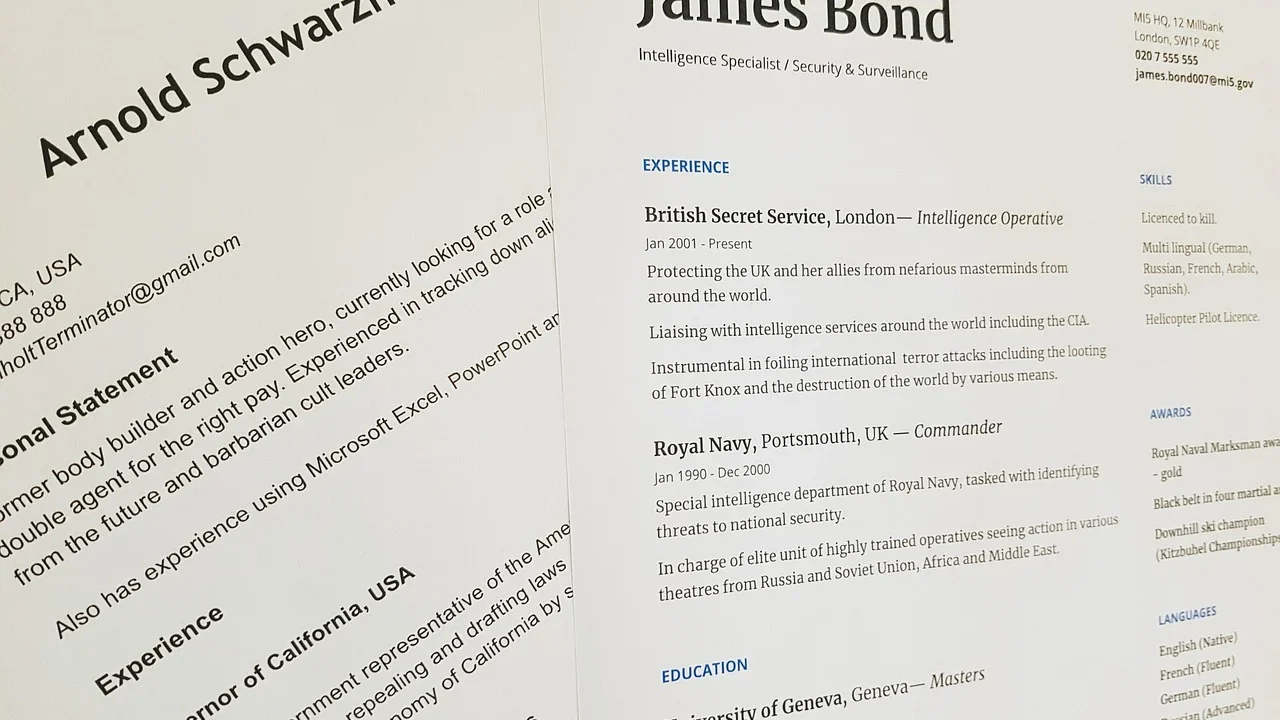
Stress is relative. Before concluding that software engineering is too stressful, it helps to compare it honestly with the fields you left behind. Many career changers come from high-stress professions like healthcare, law, education, or hospitality. From that vantage point, tech stress can feel significantly more manageable.
Software engineering stress tends to be mental rather than physical. You are unlikely to face workplace injuries, violent patients, or life-or-death decisions. The stress is real, but it often comes with better compensation, remote work flexibility, and more autonomy. Weighing these trade-offs objectively can bring clarity to your decision.
Physical Stress vs. Cognitive Stress
Nurses deal with 12-hour shifts on their feet. Construction workers face daily physical hazards. Restaurant workers endure burns, cuts, and punishing schedules. Software engineers, by contrast, sit in ergonomic chairs and solve logic puzzles. The cognitive load is high, but the physical toll is minimal.
This distinction matters for long-term health. Physical stress accumulates in the body and can lead to chronic pain and disability. Cognitive stress, while serious, responds well to breaks, exercise, and sleep. If you are transitioning from a physically demanding career, software engineering may actually reduce your overall stress burden over time.
Autonomy and Control Over Your Schedule
In many traditional jobs, your schedule is not your own. You clock in, clock out, and ask permission for time off. Software engineering, especially in remote-first companies, offers remarkable flexibility. You can often choose when and where you work, as long as the code ships and meetings are attended.
This autonomy is a powerful stress reducer. The ability to take a mid-day walk, pick up your kids from school, or work from a different city gives you control that few other professions offer. Career changers who value this freedom often find that the trade-off is more than worth it.
Compensation as a Stress Buffer
Money does not solve everything, but it solves a lot. Software engineering salaries, even at entry level, often exceed what mid-career professionals earn in other fields. That financial cushion reduces stress in every other area of life: housing, healthcare, education for your children, and retirement savings.
When you compare the stress of a low-paying job with no upward mobility to the stress of a well-compensated tech role, the calculus shifts. The same amount of daily frustration feels different when your bank account is growing versus barely surviving. Financial security is a legitimate factor in the stress equation.
Read Also: Software Engineering Career After 40 Success Stories
The Role of Company Culture in Developer Stress
Not all software engineering jobs are created equal. The difference between a supportive, well-managed team and a toxic, chaotic startup is night and day. Many career changers assume the stress they feel is inherent to the profession, when in fact it is a function of the specific company they joined.
Company culture determines whether mistakes are treated as learning opportunities or firing offenses. It dictates whether work-life balance is respected or exploited. As a career changer, you may lack the context to evaluate a company’s culture during the interview process. Learning to spot red flags and green flags is an essential survival skill.
How to Identify Toxic Engineering Cultures
Red flags include a “hero culture” where overtime is celebrated, constant firefighting is normalized, and asking questions is seen as weakness. If interviewers brag about long hours or describe their environment as a “pressure cooker,” believe them. These environments are particularly dangerous for career changers who need mentorship to grow.
Another warning sign is high turnover. Check LinkedIn to see how long engineers stay at the company. If the average tenure is under a year, there is a reason. A revolving door indicates that the stress is not managed well, and you will likely burn out quickly if you join.
Green Flags: What Healthy Engineering Teams Look Like
Healthy teams prioritize psychological safety. Engineers openly discuss mistakes in blameless postmortems. Code reviews are constructive, not personal. Managers ask about your workload and actively prevent burnout. Mentorship programs exist, and junior developers are given time to learn rather than being expected to produce immediately.
Ask direct questions during interviews: “How does the team handle a production outage?” “What does the onboarding process look like for someone with a non-traditional background?” The answers reveal much about the culture. A company that invests in onboarding and supports learning will dramatically reduce your transition stress.
The Impact of Remote Work on Stress Levels
Remote work is a double-edged sword for career changers. On one hand, it eliminates commute stress and offers flexibility. On the other, it can intensify isolation and make it harder to ask quick questions. When you are stuck on a problem, walking over to a senior developer’s desk is not an option.
Successful remote career changers build intentional communication habits. They over-communicate in Slack, book quick video calls without hesitation, and join virtual coworking sessions. Companies with strong remote cultures provide documentation, async standups, and dedicated onboarding buddies to bridge the distance gap.
Read Also: Do You Need a CS Degree To Become a Software Engineer?
Practical Strategies to Manage Stress During the Transition
Knowing that stress is part of the journey does not mean you must suffer through it. Practical strategies exist to manage the emotional and cognitive load. The most successful career changers treat stress management as a skill to be developed, just like learning JavaScript or SQL. It is not optional; it is part of the professional toolkit.
These strategies range from structured learning techniques to boundary-setting and physical health habits. The goal is not to eliminate stress entirely, which is impossible, but to keep it at a level where growth is possible and burnout is held at bay.
Structured Learning Over Chaotic Grinding
One major source of stress is the feeling that you are not learning fast enough. The solution is not more hours; it is better structure. Create a learning roadmap with clear milestones. Focus on one technology at a time instead of jumping between tutorials. Use spaced repetition and project-based learning to retain knowledge.
Many career changers benefit from learning in public through blogging or building portfolio projects. This approach gives you tangible evidence of progress. When stress whispers that you are not good enough, you can point to a deployed application and say, “I built that.” Tangible proof is a powerful antidote to anxiety.
Setting Boundaries from Day One
Career changers often feel pressure to overcompensate. You might work nights and weekends to prove your worth. This is a fast track to burnout. Set boundaries early: define your working hours, take lunch breaks, and disconnect after hours. Your long-term productivity depends on sustainable habits, not heroic sprints.
Communicate your boundaries professionally. When a manager assigns late work, you can say, “I am happy to prioritize this first thing tomorrow morning.” Most reasonable workplaces respect this. If they do not, that is valuable information about the company culture.
Building a Support Network of Fellow Career Changers
Isolation amplifies stress. Connecting with other people who are also asking is software engineering too stressful for a career changer normalizes your experience. You realize that the struggles you face are shared, not proof of personal inadequacy. Online communities, local meetups, and bootcamp alumni groups provide this connection.
Find an accountability partner or join a peer mentoring circle. Weekly check-ins where you share wins, struggles, and goals keep you grounded. These relationships often outlast the transition and become the foundation of your professional network in tech.
Read Also: Data Scientist to AI Engineer: Career Switch Guide
Building Resilience as a New Developer
Resilience is not about being tough or unfeeling. It is about recovering quickly from setbacks. In software engineering, setbacks are constant: bugs, rejected pull requests, failed interviews, and technical decisions that go sideways. Building resilience as a career changer means developing emotional agility alongside technical skills.
Resilience can be trained. Specific mental habits and practices strengthen your ability to bounce back. The most resilient developers are not the ones who avoid stress; they are the ones who process it effectively and keep moving forward without internalizing every failure as a reflection of their worth.
Separating Self-Worth from Code Quality
When a senior developer leaves 30 comments on your pull request, it is easy to feel personally attacked. But code review is about the code, not about you. Learning to separate your identity from your work product is one of the most important psychological shifts you can make as a new developer.
Practice reframing feedback: “They took the time to review my code thoroughly because they want me to grow.” Good teams invest feedback because they see potential. Bad teams ignore you. Detailed comments are often a sign of respect and investment in your development.
Embracing the Growth Mindset in Daily Work
Carol Dweck’s research on growth mindset is directly applicable here. Developers with a fixed mindset believe ability is innate and struggle when they encounter concepts they do not immediately grasp. Those with a growth mindset view challenges as opportunities to expand their capabilities.
When you hit a tough bug or a confusing concept, notice your internal self-talk. Replace “I am not smart enough for this” with “I have not figured this out yet, but I will.” The word yet is small but powerful. It turns a permanent judgment into a temporary state, keeping the door open for future success.
Celebrating Small Wins Consistently
Software engineering is a field of delayed gratification. Large projects take months. It is easy to feel like you are not making progress because the big milestones are far apart. Counteract this by celebrating small wins daily: solving a tricky bug, understanding a new concept, or receiving a compliment from a teammate.
Some developers keep a physical jar where they drop notes about daily wins. Others track accomplishments in a journal or a Slack channel with peers. The ritual itself matters less than the consistent practice of acknowledging progress. This habit rewires your brain to notice growth instead of fixating on gaps.
Read Also: Switching to Data Analyst at 40: Your Complete Roadmap
When Stress Becomes a Red Flag: Recognizing Burnout
Not all stress is healthy. There is a line where normal challenge tips into burnout, and crossing it has serious consequences for your mental and physical health. Career changers are particularly vulnerable because they often ignore warning signs, believing they just need to push harder.
Burnout is characterized by emotional exhaustion, cynicism, and reduced professional efficacy. It is not just being tired; it is a state where you stop caring and stop performing. Recognizing the early signs allows you to intervene before the damage compounds.
Physical and Emotional Warning Signs
Your body often signals burnout before your mind acknowledges it. Chronic headaches, disrupted sleep, digestive issues, and frequent illness can all be stress-related. Emotionally, you might feel irritable, detached, or numb. If you dread opening your laptop in the morning, that is a significant red flag.
Pay attention to these signals. Dismissing them as weakness is dangerous. Your body is sending data about your well-being, and in a field as mentally demanding as software engineering, ignoring that data leads to diminishing returns in both performance and happiness.
The Difference Between Challenging Stress and Toxic Stress
Challenging stress feels energizing. You are stretched but growing. At the end of a hard day, you feel proud and fulfilled. Toxic stress feels draining. You wake up tired, you feel cynical about your work, and you see no light at the end of the tunnel. The former builds resilience; the latter destroys it.
If you find yourself in a toxic stress pattern for more than a few weeks, it is time to act. Talk to your manager, adjust your workload, take time off, or consider whether the specific role or company is the problem. Staying in a toxic environment will not prove your toughness; it will only erode your health.
When to Seek Professional Help
There is no shame in seeking therapy or counseling. Many career changers benefit from professional support during a major life transition. A therapist can help you develop coping strategies, process the identity shift, and navigate workplace dynamics with greater clarity.
Tech companies often provide Employee Assistance Programs with free counseling sessions. Take advantage of these resources. Your mental health is a professional asset, not a luxury. Protecting it is one of the smartest investments you can make in your long-term career.
Read Also: Software Engineer Resume with No Experience Template
The Long-Term Outlook: Does It Get Easier?
If you are in the thick of your first year, the question looms: does this ever get better? The answer, reassuringly, is yes. Most developers report that the first one to two years are the hardest. After that, patterns become familiar, debugging gets faster, and the constant anxiety of not knowing what you are doing gradually subsides.
The learning curve does not disappear, but your relationship to it changes. You develop confidence in your ability to figure things out, even when you do not immediately know the answer. That meta-skill, learning how to learn, is what ultimately transforms the stressful beginner into the calm, capable engineer.
The Two-Year Inflection Point
Research and anecdotal evidence suggest that around the two-year mark, most developers experience a significant shift. They move from survival mode to contribution mode. Code reviews become less daunting. They start mentoring newer team members. The role transitions from a source of stress to a source of mastery.
For career changers, this timeline may be slightly compressed or extended depending on prior experience and learning intensity. Someone with a background in logic-based fields like law or finance may adapt faster. The key is to trust the process and measure your progress in months, not days.
From Junior to Mid-Level: The Confidence Shift
The jump from junior to mid-level engineer is often when the stress profile changes completely. You are no longer proving yourself; you are contributing. Your opinions carry weight. You start to see patterns across codebases and predict problems before they happen. This shift is deeply satisfying.
Many career changers report that reaching this level felt like finally exhaling after years of tension. The stress does not vanish, but it transforms into a more manageable, even motivating, form. You stop asking is software engineering too stressful for a career changer and start asking what exciting problems you want to solve next.
Career Growth and Financial Stability as Stress Reducers
As you gain experience, compensation typically rises significantly. The financial stress that marked the transition phase fades. You have savings, options, and leverage. This security creates a virtuous cycle: less financial worry means better mental health, which means better performance, which leads to more opportunities and higher pay.
Many senior engineers describe their work as challenging but not overwhelmingly stressful. They have developed the skills, confidence, and financial buffer to handle pressure without internalizing it. This long-term outlook is worth keeping in mind during the difficult early months.
Read Also: Become an Accountant at 40 No Experience: Full Guide
Making the Final Decision: Is It Worth It?
After examining the stress factors, the unique challenges, and the long-term outlook, the question remains: is the transition worth it? There is no universal answer. It depends on your personal circumstances, your tolerance for uncertainty, and your reasons for wanting to enter the field in the first place.
What we can say with confidence is that the stress of transitioning into software engineering is real but usually temporary. For most people who push through the initial difficult period, the rewards, both financial and psychological, justify the struggle. The key is entering the journey with open eyes and a realistic plan for managing the challenges along the way.
Questions to Ask Yourself Before Committing
Be honest about your motivations. Are you drawn to problem-solving, or are you chasing a salary figure? Money alone rarely sustains people through the difficult early years. Genuine curiosity about how software works, enjoyment of logical puzzles, and satisfaction in building things are much stronger predictors of long-term success and happiness.
Also consider your support system. Do you have people who will encourage you during setbacks? Can you afford a period of reduced income? Do you have a realistic timeline? Answering these questions honestly will help you decide whether the stress is manageable for your specific situation.
Real Stories from Career Changers Who Made It
Consider Maria, a former teacher who switched to software engineering at 38. Her first year was brutal: imposter syndrome, late nights, and moments of deep regret. But by year three, she was leading a frontend team and earning triple her teaching salary. She describes the stress as “the price of admission to a better life.”
Then there is James, a former retail manager who started coding at 42. He chose a slower path, studying part-time for two years before applying. His transition was less stressful because he gave himself time. Today he works remotely for a health tech company and says the career change saved him from burnout in retail.
Your Stress Tolerance Is Higher Than You Think
If you have navigated a previous career, dealt with difficult bosses, managed tight budgets, or raised children, you have already developed resilience. The stress of learning to code and landing a tech job is significant, but it is not insurmountable. You bring life skills that younger entrants lack, and those skills matter more than you realize.
Ultimately, is software engineering too stressful for a career changer is a question only you can answer. But the evidence suggests that for those who prepare well, choose supportive companies, and persist through the initial discomfort, the answer is often no. The stress is manageable, temporary, and far outweighed by the opportunities on the other side.
Read Also: How to Become an Accountant at 40 – Complete Career Guide
Conclusion
Software engineering can be stressful for career changers, but that stress is not a permanent condition. It is a phase, concentrated in the first one to two years, driven by steep learning curves, financial pressure, and imposter syndrome. Understanding these challenges in advance strips them of their power and allows you to prepare effectively.
The career you left behind had its own stresses. The difference is that software engineering offers a path toward greater autonomy, higher compensation, and the deep satisfaction of building things that impact millions of users. For most career changers, the trade-off is not just acceptable but transformative. Your resilience, life experience, and fresh perspective are assets that the tech industry desperately needs.
If you are in the middle of the struggle, keep going. Build your support network. Celebrate small wins. Protect your health. And remember that every senior developer you admire was once where you are now, staring at an error message, wondering if they made a mistake. They made it through, and so can you.
FAQ
It depends on the specific comparison, but software engineering tends to involve higher cognitive load and more ambiguity than many traditional office jobs. However, it also offers more flexibility, autonomy, and compensation. Compared to fields like law, medicine, or finance, the stress levels are comparable but often come with better work-life balance in tech.
Most career changers report a significant improvement in comfort and confidence around the 12 to 24-month mark. The first six months are typically the hardest, as you adjust to the codebase, team dynamics, and the pace of technical work. After two years, many developers move from survival mode to genuine contribution and enjoyment.
Yes, many roles do not require on-call duty. Frontend-focused positions, developer tools teams, and certain enterprise companies often have separate operations teams handling production issues. During interviews, directly ask about on-call expectations. If a role requires it, ask about the frequency, severity, and support structure in place for new team members.
This is a valid outcome, and it is not a failure. The skills you gain, including technical literacy, problem-solving, and project management, are valuable in many adjacent roles. Technical writing, product management, developer relations, and QA engineering are all viable pivots that use your coding knowledge without the same daily pressures.
Focus on the strengths your age and experience bring: communication, reliability, business understanding, and emotional maturity. Seek out companies with visible older engineers on their teams. During interviews, ask about diversity and inclusion efforts, including age diversity. Many hiring managers value the perspective that seasoned professionals bring to engineering teams.